
Buying an investment property for the first time is both exciting and intimidating. From financing and tenant selection to long-term management, your choices today will shape your financial future tomorrow. With the right strategy, even a first purchase can set the foundation for steady income and capital growth.

Key Insights for New Investors
- Know your goals before buying—rental yield, capital growth, or both.
- Research the local market, not just national trends.
- Keep your finances healthy with a clear buffer for maintenance and vacancy.
- Professional property management saves time and limits costly mistakes.
- Protect your investment with a reliable warranty to minimize repair expenses.
Understanding Your Investment Goals
Every investor starts somewhere different. Clarify whether your main aim is steady rental income, long-term value growth, or diversification of your assets. This clarity helps you choose the right property type—apartments for consistent yields or detached homes for appreciation potential.
Before you buy, decide what kind of landlord you intend to be: hands-on or hands-off. A self-managed property demands your time and comfort with legal paperwork; hiring a manager lets you focus on portfolio growth.
Financial Preparation: The Real Foundation
A strong financial base makes every decision easier. Before entering the market, assess your borrowing power, calculate expected rental returns, and factor in insurance, taxes, and maintenance. Having a buffer fund is essential—it covers repairs or months without rent, preventing panic-selling during downturns.
Simple financial guardrails to remember before signing a contract:
- Aim for at least 20% of the property value as a deposit.
- Keep three to six months of mortgage payments in reserve.
- Compare mortgage products from different lenders; flexibility beats marginally lower rates.
- Consider setting up a separate account for property income and expenses.
Property Research: The Groundwork for Success
Not all “good deals” stay that way. Focus on locations with stable employment, infrastructure growth, and low vacancy rates. Visit neighborhoods at different times of day to observe noise, traffic, and amenities. When reviewing comparable rentals, ask: Would I live here?—it’s often a strong indicator of tenant appeal.
The table below illustrates how two similar properties can yield very different outcomes:
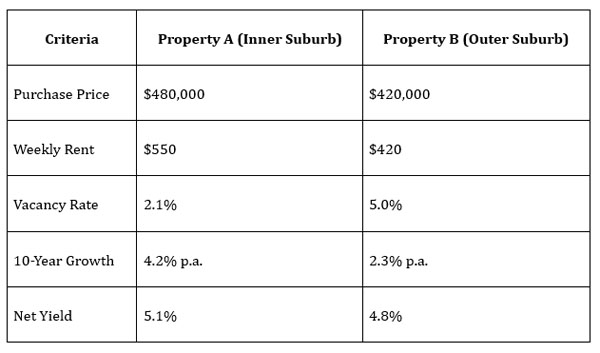
A slightly higher purchase price can often result in better stability, higher rental demand, and fewer hidden costs down the road.
Maintaining Your Property Investment
Once your tenants move in, the real work begins. Maintenance and proactive management protect your income stream and property value. Small issues—like a leaking pipe or outdated electrical system—can escalate if ignored. Schedule routine inspections, review rent annually, and maintain detailed financial records.
How-to checklist for maintaining your investment:
- Inspect the property every six months.
- Review insurance and lease agreements yearly.
- Update safety certifications and appliance checks.
- Reinvest part of rental profit in small upgrades to boost value.
- Track expenses digitally to simplify tax filing.
Considering a Home Warranty for Peace of Mind
Unexpected repairs can be both stressful and expensive, particularly for new landlords balancing a mortgage and rental responsibilities. Investing in a home appliance warranty can offset these costs by covering breakdowns of essential systems and appliances. This coverage can include not only repairs or replacements but also the removal of defective units. When selecting a provider, look for one that includes protection for issues caused by improper installations or prior repairs. Such plans bring predictability to your maintenance budget and reduce financial strain during emergencies.
Managing Tenants the Smart Way
Good tenants are your best partners in maintaining the property. Conduct reference checks, verify employment, and clarify expectations about maintenance and communication. A clear and respectful relationship prevents late payments and misunderstandings. If management feels overwhelming, a property management company can take care of screening, rent collection, and regulatory compliance.
Before handing over the keys, make sure you provide:
- A detailed condition report with photos.
- Emergency contact details for maintenance.
- Clear payment instructions and due dates.
This approach builds trust and encourages tenants to treat the property as their own.

Your First-Investor FAQ: Straight Talk Before You Buy
Before making your first offer, take time to explore what experienced investors already know. These questions help bridge the gap between theory and reality.
What’s the difference between positive and negative gearing?
Positive gearing means your rental income exceeds expenses; negative gearing means it doesn’t. While negative gearing can offer tax deductions, it also relies on property appreciation to make financial sense. New investors should model both scenarios before deciding which strategy fits their risk tolerance.
How do I choose the right location?
Focus on areas with strong employment, access to schools, transport, and local amenities. Use rental vacancy data to gauge demand—low vacancy means higher stability and potentially better tenants.
Should I buy new or existing property?
New properties come with modern amenities and depreciation benefits, but established homes often have stronger capital growth history. The right choice depends on whether you prioritize immediate cash flow or long-term appreciation.
What insurance do I need?
Landlord insurance covers rent loss, tenant damage, and liability issues. Pair it with a home warranty to protect appliances and systems against costly breakdowns.
When should I hire a property manager?
If you own multiple properties, live far from your investment, or prefer to minimize day-to-day involvement, hiring a professional is worth the cost. They handle tenants, maintenance, and compliance efficiently.
Final Thoughts
Your first investment property is more than a transaction—it’s a learning curve in finance, patience, and planning. Success depends on disciplined budgeting, diligent maintenance, and data-informed decisions. By structuring your purchase around clear goals, protecting your assets, and investing in reliable management tools, you build not just a portfolio—but a pathway toward long-term financial independence.