As published by The Wall Street Journal on April 10, 2026:
It was an anticlimactic end to a legal and political horror story: On Monday the U.S. Supreme Court said it wouldn’t review Stroble v. Oklahoma Tax Commission, a state Supreme Court decision that upheld Oklahoma’s authority to tax residents regardless of their race. Why would that even be an issue? It’s a long and complicated historical tale.
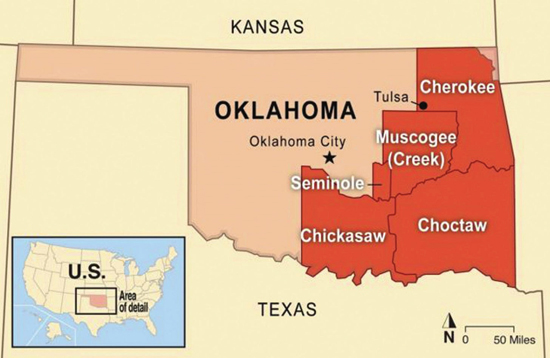
Before Oklahoma gained statehood in 1907, its eastern part was known as Indian Country—an area consisting largely of the historical reservations of the Five Tribes that were forcibly relocated from Southeastern states along the Trail of Tears between 1830 and 1850. After the Civil War, Congress dissolved the reservations and land was allotted to the individuals who lived there as federal law weakened or abolished tribal governments.