
BROKEN ARROW, Okla. – Dakota West is teaming up with Northeastern State University experiential learning students to raise research funds for a rare genetic disease his little sister, Delilah, has suffered since birth. Nonketotic Hyperglycinemia (NKH), is a rare genetic metabolic disorder that affects the brain and nervous system.
The event, Delilah’s Paddle Battle, will benefit NKH Crusaders Saturday, Nov. 21, 2026 as students and sponsors gather at Forest Ridge Country Club, 7751 E. Freeport St. Check-in begins at 8:30 a.m., with play starting at 9 a.m. Organizers aim to bring together up to 64 teams, with beginner, intermediate and advanced divisions. Families affected by NKH raise money through NKH Crusaders to support research.
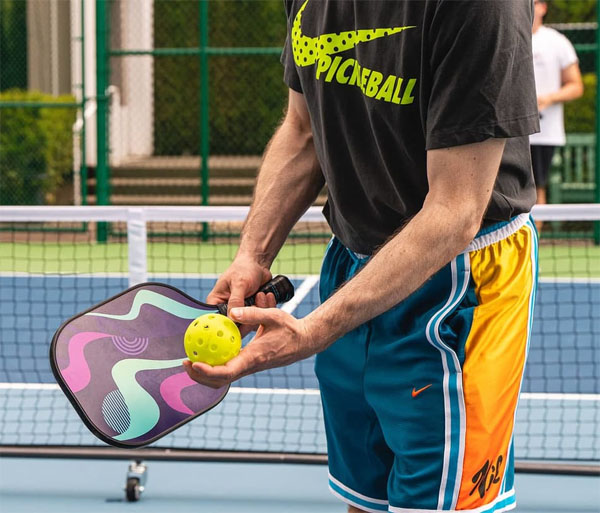
Registration is $25 per player or $50 per team. Spectators are welcome; admission is $5 for ages 12 and older and free for children 11 and younger. The event will include awards for top finishers, raffles and auction baskets. Food and refreshments will be available for purchase.
Businesses can participate through sponsorships starting at $50. Options include the Kitchen King Bag at $50, Court Crusader at $150, Sideline Setup at $250 and Champ at $500. Benefits vary by level and include opportunities for court signage, vendor space and event recognition. Donation-matching opportunities are also available.
According to the National Library of Medicine, Nonketotic hyperglycinemia is a rare autosomal recessive inborn error of metabolism caused by defects in the glycine cleavage enzyme system. Impaired enzymatic activity prevents normal glycine degradation, resulting in pathologic accumulation of glycine in plasma, cerebrospinal fluid, and tissues. Glycine functions as an excitatory neurotransmitter within the central nervous system; elevated concentrations therefore produce primarily neurologic manifestations involving the brain and spinal cord. Clinical presentation commonly includes lethargy, hypotonia, seizures, apnea, developmental delay, and severe cognitive impairment. Disease severity varies widely. Classic neonatal-onset disease presents within the first days of life and is often associated with profound neurologic dysfunction, whereas attenuated or later-onset forms demonstrate milder or more variable neurologic impairment. Diagnostic evaluation relies on biochemical testing that demonstrates elevated glycine levels and on confirmatory genetic or enzymatic studies. Although curative therapy remains unavailable, early identification enables the implementation of symptomatic and supportive management strategies to reduce complications and improve long-term care planning.
Register to play: zeffy.com/en-US/ticketing/nkh-crusaders-pickleball-tournament or to help Delilah, contact her brother Dakota West, event organizer 918-995-1090 or westdakota09@gmail.com.